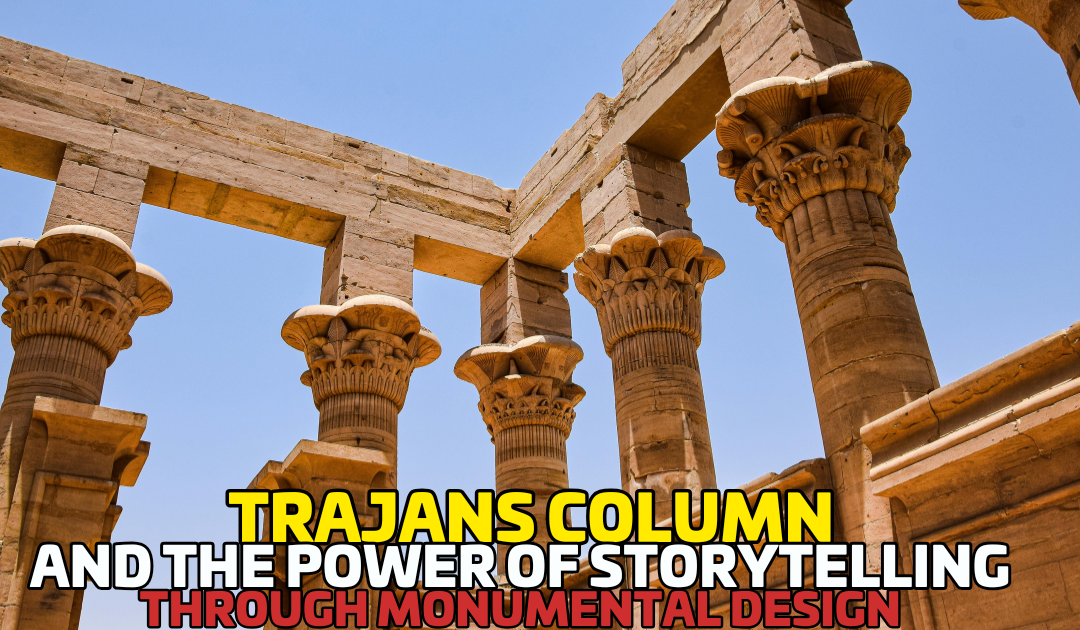
One of the most overlooked tools of influence in human history is architecture. Not just buildings themselves, but what those buildings say. Long before mass media, social platforms, or even widespread literacy, civilizations told stories through stone. Few examples...
History does not repeat, but it has a way of humming the same tune. Whenever I study Rome, I am reminded that the patterns of power, culture, and identity never really go away. They just shift and reappear in new forms. That is why, when I look at certain modern...
History often repeats itself, though never in exactly the same way. The story of Rome’s decline provides insights that feel eerily relevant in today’s digital age. While Rome fell to barbarians in the end, the empire’s internal decay, loss of civic cohesion, erosion...
History is filled with leaders who rose from obscurity, achieved great heights, and then fell due to missteps that could have been avoided. Maximinus Thrax is one of those leaders. His life provides timeless lessons about ambition, loyalty, and the importance of...
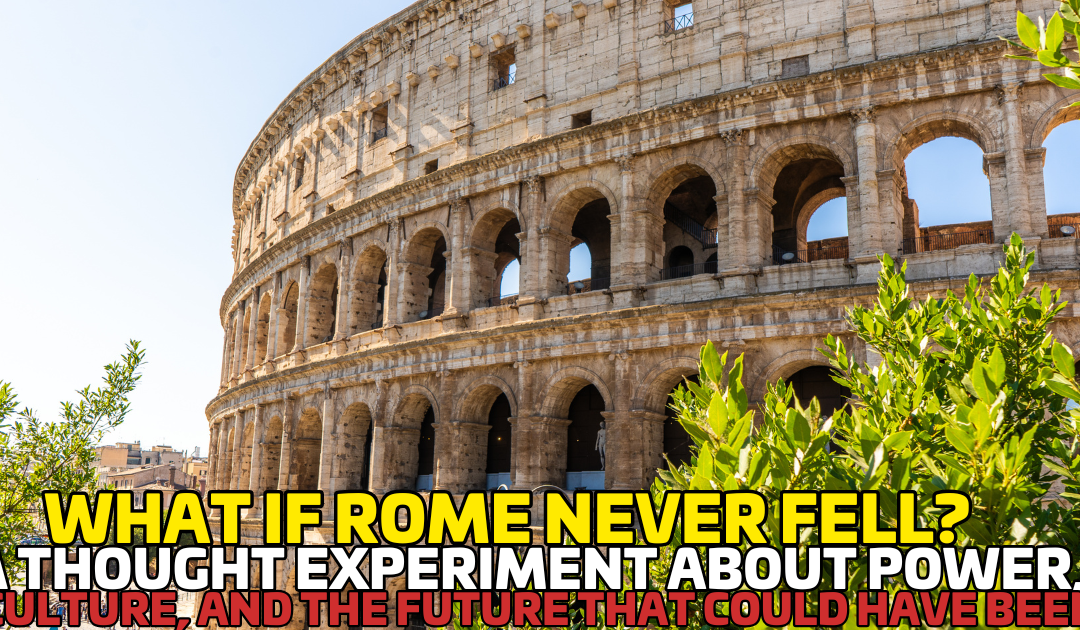
Alternate history is always fascinating, but imagining a world where Rome never fell is more than a mental exercise. It forces us to think about leadership, innovation, culture, and the direction of human civilization. Rome shaped so much of the modern world that its...
History has a way of repeating itself, not in exact events, but in patterns of human behavior. When I think about leadership and the exercise of power, Julius Caesar is one of the clearest examples of both greatness and caution. His life offers lessons that are still...